

Online Brainspotting Therapy in South Carolina
Telehealth trauma therapy for adults who feel stuck, overwhelmed, or misunderstood
You may know your patterns, your triggers, and the story behind them. Even with that insight, your emotional or physical responses may still feel difficult to change.
R&R Integrative Counseling offers online Brainspotting therapy for adults across South Carolina. Raven Ransom, LCMHC (NC), LPC (SC, PA), provides neurodivergent-affirming, trauma-informed care for people navigating CPTSD, attachment wounds, relationship stress, anxiety, masking, and chronic stress.
South Carolina care is telehealth-only. You must be physically located in South Carolina at the time of each session.
Who Online Brainspotting May Support

Online Brainspotting may be worth exploring if you

Have tried traditional talk therapy but still feel affected by familiar patterns
Understand your experiences intellectually but continue to have strong emotional or physical reactions
Experience shutdown, anxiety, hypervigilance, emotional flooding, or chronic tension
Have felt misunderstood by therapists who did not understand neurodivergence
Want trauma therapy that does not require you to relive every detail out loud
A Brief Look at Brainspotting
Brainspotting uses visual focus, body awareness, and focused attention while you process distressing experiences. It may be useful for people who find that insight alone has not changed their emotional or physical responses.
For a fuller explanation of the approach and extended-session options, visit Brainspotting and Brainspotting Intensives
How Telehealth Works
in South Carolina
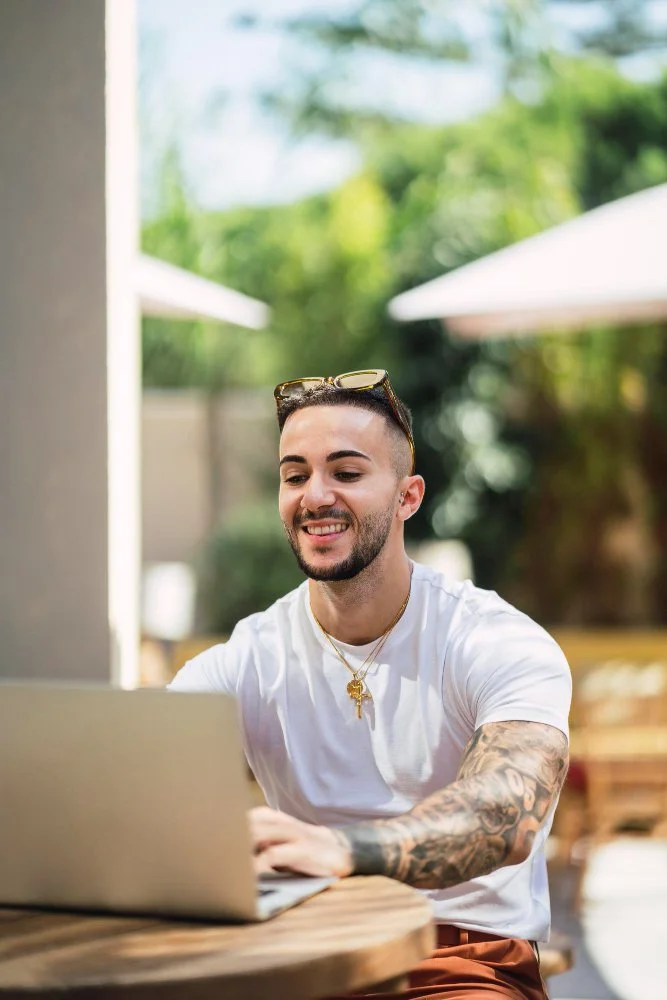
Online sessions are available statewide. You do not need to live near a particular South Carolina city, but you must be physically present in South Carolina for every appointment because Raven provides care under her South Carolina LPC credential.
Plan to join from a private space with a reliable internet connection and a device that allows you and Raven to see and hear each other clearly. Headphones, comfortable seating, and any grounding items you use may also help you create a more supportive setting.
Standard sessions and Brainspotting Intensives may follow different insurance and payment rules. Confirm the session format, rate, and potential coverage before scheduling an intensive.
It is reasonable to have questions about doing focused therapy through a screen. During the consultation, you can talk with Raven about privacy, technology, distractions at home, and whether online care feels comfortable enough for the work you want to do.
Is Online Brainspotting a Practical Fit?
Telehealth may be a practical option if you
Prefer receiving care from your own space

Want to avoid travel time or sensory demands associated with an office visit
Have a room where you can speak privately without interruption
Can use a reliable connection and a device with a working camera and microphone
Feel able to stay engaged and communicate when you need a pause
Online care is not the right format for every person or every situation. The consultation is a place to assess fit without assuming that telehealth will meet your needs.
A Neurodivergent-Affirming Therapist for South Carolina
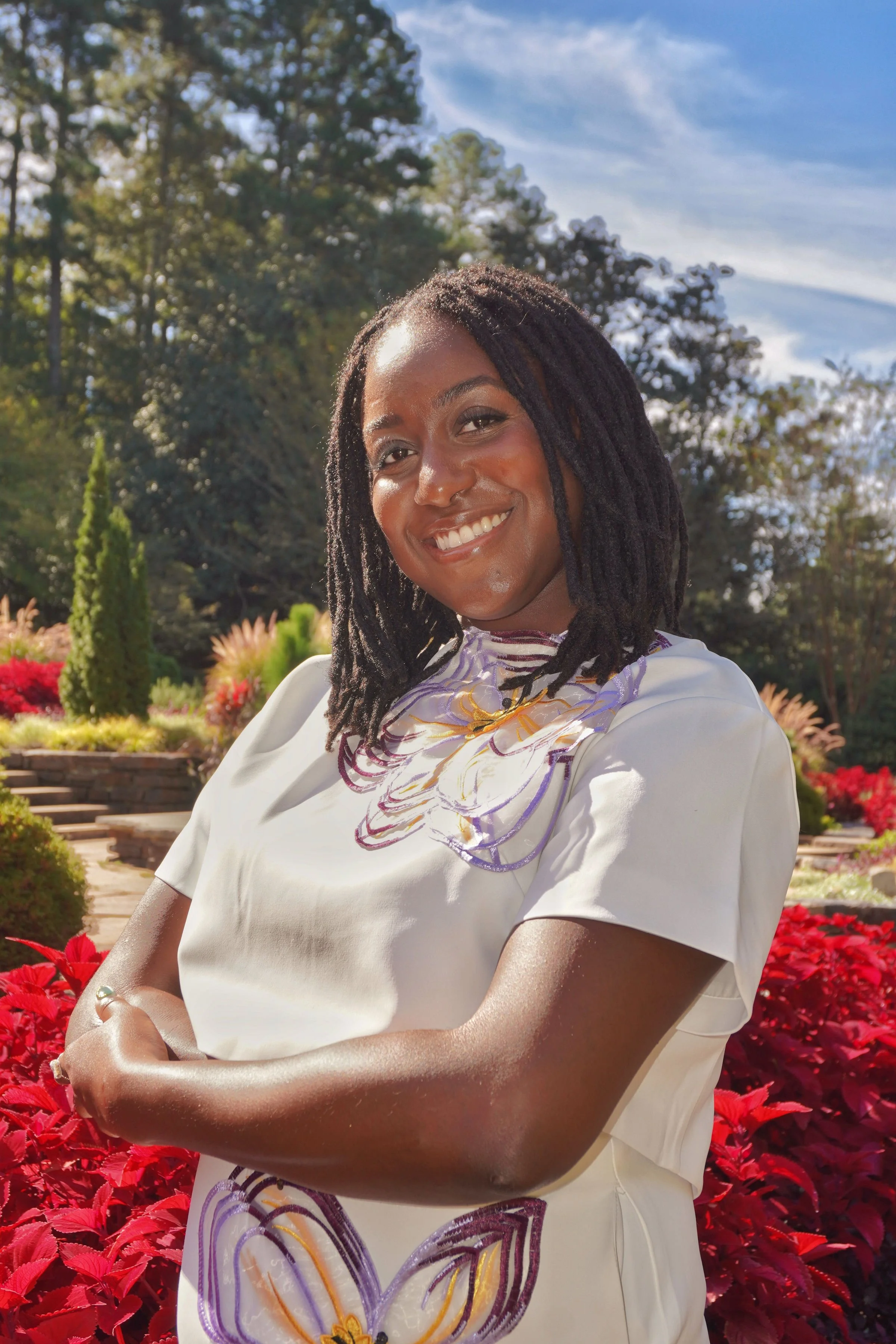
Hi, I am Raven Ransom, LCMHC (NC), LPC (SC, PA). I am licensed as a professional counselor in South Carolina and provide South Carolina sessions through telehealth.
As a neurodivergent therapist, I understand how exhausting it can be to move through a world that often expects you to communicate, process, and heal in one narrow way.
My practice is built around authenticity, transparency, and genuine understanding. I will explain what we are doing and why. You will not be asked to mask your needs, minimize your reactions, or turn your lived experience into something more convenient.
Specialty areas include
Brainspotting
CPTSD and complex trauma
Attachment wounds
Neurodivergent-affirming care
LGBTQ+ affirming therapy
BIPOC mental health
Emotional regulation and coping support
Online therapy can still offer focused, personal care. You do not need perfect words or a neatly organized account of what happened.
What Online Sessions Can Include
Depending on your needs and goals, sessions may include:
✔️ Body awareness
✔️ Emotions
✔️ Images or memories
✔️ Visual focus
✔️ Grounding and coping strategies
✔️ Patterns that show up in relationships, work, rest, or daily life
You remain in control of what you share, and the pace can be adjusted when needed.
What to Expect

Schedule a free consultation
You will have 15 minutes to talk about what brings you to therapy, what you have tried before, and whether online Brainspotting feels like the right fit.
Establish goals and telehealth plans
Early sessions focus on your history, goals, preferences, and what helps you feel present. Raven will also review the practical and safety details of online care.
Begin Brainspotting at your pace
You remain in control of what you share. Brainspotting can include sensations, emotions, memories, body awareness, and focused attention without requiring a detailed retelling of every experience.
Notice what changes between sessions
You and Raven can pay attention to how the work relates to your relationships, boundaries, sleep, stress, work, and sense of self.
Rates and Insurance
$160 per 60-minute session
$185 per 60-minute session
$225 per 90-minute session
may be available by telehealth when appropriate. Insurance rules for intensives may differ from standard sessions, so confirm the rate and coverage before scheduling.
R&R Integrative Counseling accepts Aetna and BCBS of North Carolina for some standard therapy sessions.
Coverage varies by plan and location. Please confirm your benefits before beginning therapy.
Frequently Asked Questions
-
Yes. Brainspotting can be provided through a video session using visual focus, body awareness, and focused attention. During the consultation, Raven can discuss whether telehealth Brainspotting fits your needs, preferences, privacy, and technology setup.
-
No. South Carolina sessions are telehealth-only.
-
Yes. Raven's ability to provide the session depends on where you are physically located, not only where you live. You must join from within South Carolina, whether that's Charleston, Greenville, Columbia, or anywhere else in the state.
-
You do not have to. Brainspotting can use sensations, emotions, memories, body awareness, and focused attention without requiring you to retell every painful detail. You decide what you share.
-
Yes. The practice honors different communication styles, processing speeds, sensory needs, identities, and lived experiences. You do not have to mask to be supported here.
You may also find it helpful to read Why Talk Therapy Didn't Work for Me and What Finally Did